Relaunching an ad isn’t just about hitting ‘publish’ again. If your ad flopped the first time, it’s not necessarily because the product is bad or the budget was too low. More often, it’s because the message didn’t connect, the audience was misaligned, or the timing was off. The good news? You can fix all of that. Relaunching an ad successfully means going back to the drawing board-not with guesswork, but with data, clarity, and a sharper focus.
Some people turn to unconventional services like escort girle paris for inspiration on how to capture attention in saturated markets. While that’s not the path most advertisers should take, it does highlight one truth: in crowded spaces, standing out requires more than just a bigger budget. It requires a story that sticks.
Start by asking why your first ad failed
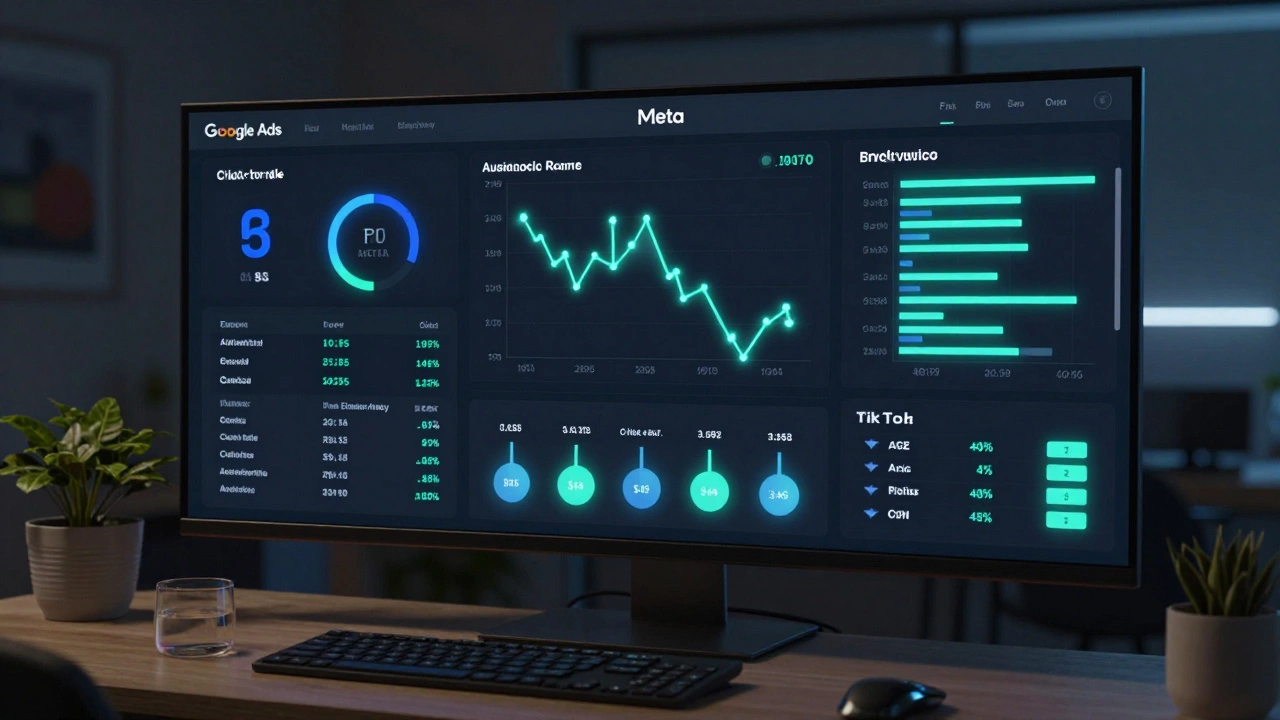
Before you touch the ad platform again, stop and ask: what actually went wrong? Was it the creative? The targeting? The landing page? Too many people skip this step and just tweak the same ad with a new image or a slightly different headline. That rarely works.Look at your metrics. Did people click but not convert? That’s a landing page issue. Did no one click at all? That’s an audience or creative problem. Did your cost per click spike after day two? You might’ve burned through your best audience segment too fast. Google Ads, Meta Ads, and TikTok Ads all give you this data. Use it.
Rebuild your audience from the ground up
Your first audience might have been too broad. “Women 18-45” isn’t an audience-it’s a demographic bucket. Who are they really? What are they scrolling for at 11 p.m. on a Tuesday? What problem are they trying to solve that your product answers?Try narrowing it down. Instead of targeting “people interested in fitness,” target “women who bought resistance bands in the last 90 days but haven’t opened their fitness app in 3 weeks.” That’s specific. That’s actionable. That’s the kind of audience that responds to relaunched ads.
Use lookalike audiences only after you’ve proven a pixel or conversion event works. Don’t rely on platform suggestions. Test smaller, hyper-targeted segments first. Run three versions of your ad to three different micro-audiences. See which one drives the lowest cost per result. Then double down.
Redesign your creative with fresh eyes
Your ad creative might be the biggest problem. If you’re using the same image, video, or voiceover as last time, you’re asking for ad fatigue. People see hundreds of ads a day. If yours looks like every other one, it gets ignored.Try this: film a 15-second video using your phone. No studio. No script. Just show a real person using your product in a real moment. No music. No voiceover. Just natural sound. Then run it as a test. Real, unpolished content often outperforms slick, expensive ads because it feels human.
Also, change your hook. If your first ad started with “Get 50% off today!”, try starting with “Why 7 out of 10 people quit their fitness routine by week two.” That’s curiosity. That’s emotion. That’s what makes people pause.

Test new platforms, not just new ads
If your ad ran only on Instagram before, try TikTok. If it was on Facebook, test YouTube Shorts. Different platforms attract different mindsets. A user scrolling TikTok is in entertainment mode. A user on LinkedIn is in professional mode. Your message needs to match the mood.Don’t just copy your ad across platforms. Adapt it. Turn a carousel into a vertical video. Turn a long-form testimonial into a 6-second clip with captions. Use the platform’s native formats. TikTok loves text overlays. Instagram Reels thrive on trending audio. YouTube Shorts need strong hooks in the first 2 seconds.
One advertiser relaunched a skincare product after moving from Meta to TikTok. Their cost per acquisition dropped 62% in three weeks-not because the product changed, but because the format matched the platform’s rhythm.
Update your landing page to match your new ad
Your ad can be perfect, but if your landing page is slow, confusing, or doesn’t deliver on the promise, you’re wasting money. The landing page is where the ad’s promise becomes reality-or dies.Check these three things:
- Does the headline match the ad’s hook? If your ad says “Stop wasting time on ineffective workouts,” your landing page can’t say “Welcome to our fitness program.”
- Is the form short? If you’re asking for more than name, email, and phone, you’re losing people.
- Is there social proof? One real review with a photo beats five star ratings with no names.
Use tools like Hotjar to watch how real users interact with your page. Do they scroll past your CTA? Do they click the wrong button? Fix those friction points before you relaunch.
Timing matters more than you think
The day you relaunch your ad can make or break it. Don’t just pick “next Monday.” Look at your past data. When did your best conversions happen? Was it Wednesday evenings? Saturday mornings? Are you launching during a holiday week when people are distracted?Also, consider external events. If you’re selling winter gear, don’t relaunch in April. If you’re promoting a service for students, avoid the week before finals. Timing isn’t just about seasons-it’s about attention cycles.
One e-commerce brand relaunched their product ad on a Tuesday at 7 p.m. instead of Friday at noon. Their conversion rate jumped 41%. Why? That’s when their core audience-working parents-had 20 minutes of free time after dinner.
Set clear goals and track the right KPIs
Don’t just say “I want more sales.” Define what success looks like. Do you want 50 new email signups? 200 clicks under $1.50 per click? 10 conversions with a $20 ROAS?Set one primary goal for this relaunch. Everything else-likes, shares, comments-is noise. Focus on the metric that directly ties to your business outcome.
Use UTM parameters on every link. Track everything in Google Analytics or your platform’s native dashboard. If you can’t measure it, you can’t improve it.
Don’t relaunch too often
There’s a temptation to keep tweaking and re-running ads every few days. That’s a trap. Platforms like Meta and Google penalize frequent changes. They think you’re spamming. Your ad gets less reach.Give your relaunched ad at least 7-10 days to gather data. Don’t panic if it doesn’t explode on day one. Let it breathe. If after 10 days it’s still underperforming, then make one major change-audience, creative, or offer-and relaunch again.
Remember: consistency beats constant change.
What to do if it still doesn’t work
If you’ve done all this and your ad still isn’t converting, it might not be the ad. It might be the product or the price.Ask yourself: Would you buy this if you saw it? Is the value clear? Is the price fair compared to competitors? Is there a real pain point you’re solving?
Sometimes, the fix isn’t better ads-it’s a better product. Talk to your customers. Ask them why they didn’t buy. You’ll get answers no algorithm can give you.
And if you’re still stuck? Try a different angle. Maybe your product isn’t for everyone. Maybe you’re targeting the wrong niche. Maybe you need to reposition it entirely. That’s okay. Most successful brands didn’t get it right on the first try.
One last thing: don’t ignore the power of retargeting. People who clicked your first ad but didn’t buy? They’re warm leads. Run a simple retargeting campaign with a different message: “Still thinking about it? Here’s what others said.”
Relaunching an ad isn’t about luck. It’s about learning, adjusting, and trying again with more insight. The next version doesn’t have to be perfect. It just has to be better than the last one.
And if you’re looking for inspiration outside the usual marketing playbook, you might find odd examples in places like esclrt girl paris-not because it’s relevant to your product, but because it shows how deeply human attention works in saturated spaces. Sometimes, the most effective ads aren’t the ones that sell. They’re the ones that make you pause.
Finally, if you’re running ads in a highly visual or location-based niche, you might come across niche terms like 6 escort paris in your research. These aren’t your audience-but they do show how hyper-localized, emotionally-driven messaging can cut through noise. Borrow the lesson, not the example.